In today’s fast-evolving digital marketplace, mastering the dynamics of B2B Prime isn’t just an option—it’s a necessity. Whether you’re scaling a startup or optimizing enterprise operations, understanding B2B Prime can redefine your growth trajectory with precision, power, and profit.






What Is B2B Prime and Why It Matters in 2024

The term B2B Prime has emerged as a pivotal concept in modern business ecosystems, particularly within digital commerce, supply chain innovation, and enterprise SaaS platforms. While not an officially branded service like Amazon Prime, “B2B Prime” symbolizes a premium-tier business-to-business experience—offering accelerated delivery, priority support, data-rich insights, and exclusive access to tools and networks.
Defining the B2B Prime Concept
Unlike traditional B2B models focused solely on transactional efficiency, B2B Prime represents a shift toward value-added, customer-centric service layers. It integrates speed, reliability, and personalization—hallmarks of consumer-grade experiences—into professional procurement and operational workflows.
- Emphasizes rapid fulfillment and just-in-time inventory access
- Offers dedicated account management and technical support
- Includes data analytics dashboards and predictive ordering tools
This evolution mirrors the consumerization of B2B, where businesses now expect the same seamless, intuitive experiences they enjoy as individual shoppers.
How B2B Prime Differs from Traditional B2B Models
Traditional B2B relationships often operate on long sales cycles, manual negotiations, and fragmented communication. In contrast, B2B Prime streamlines these processes through automation, AI-driven recommendations, and subscription-based access tiers.
- Speed: Next-day or same-day delivery options replace weeks-long lead times.
- Transparency: Real-time tracking and inventory visibility are standard.
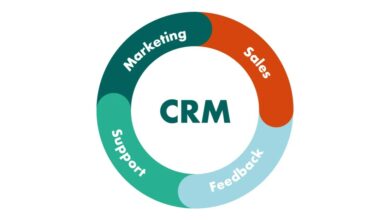
- Integration: APIs allow direct syncing with ERP, CRM, and procurement systems.
“The future of B2B isn’t just about selling products—it’s about delivering experiences. B2B Prime is the new benchmark.” — Gartner, 2023
The Evolution of B2B Commerce Leading to B2B Prime
To fully appreciate the rise of B2B Prime, one must trace the transformation of B2B commerce over the past three decades. From paper catalogs to digital marketplaces, the journey has been revolutionary.
From Catalogs to E-Commerce Platforms
In the 1990s, most B2B transactions relied on printed catalogs, fax machines, and phone calls. The advent of the internet introduced basic e-commerce websites, but these were often clunky and lacked personalization.
- Early platforms focused on product listings and order forms
- Limited search functionality and no dynamic pricing
- Customer service was reactive, not proactive
However, pioneers like Grainger and ThomasNet began digitizing industrial supply chains, laying the groundwork for modern B2B platforms.
The Rise of Subscription and Membership Models
By the 2010s, subscription-based models gained traction across industries. Companies like Adobe and Salesforce shifted from perpetual licenses to SaaS subscriptions, proving that recurring revenue could enhance customer retention and predictability.
- B2B Prime builds on this model by bundling services into a premium membership
- Examples include Amazon Business Prime, Shopify Wholesale, and Microsoft Azure for Business
- Members gain access to volume discounts, faster shipping, and priority onboarding
These models demonstrated that businesses, like consumers, value convenience and consistency—key pillars of the B2B Prime philosophy.
Core Features That Define B2B Prime Experiences
What sets B2B Prime apart isn’t just speed or price—it’s the holistic integration of services that elevate the entire procurement lifecycle. These features are now considered non-negotiable for competitive B2B platforms.
Priority Fulfillment and Logistics
One of the most tangible benefits of B2B Prime is expedited order fulfillment. This includes same-day processing, guaranteed delivery windows, and dedicated logistics lanes.
- Amazon Business offers Prime shipping for business customers, mirroring its consumer counterpart
- Platforms like Flexport provide real-time freight tracking and customs automation
- Local distribution hubs reduce transit times and carbon footprints
For manufacturers and retailers, this means reduced downtime and improved inventory turnover.
Enhanced Customer Support and Onboarding
B2B Prime includes white-glove onboarding, 24/7 technical support, and dedicated success managers. This level of service minimizes friction during implementation and ensures long-term adoption.
- HubSpot’s Enterprise tier includes a Customer Success Manager and SLA-backed response times
- Zoom’s B2B Prime-like plans offer dedicated IT integration support
- Training webinars and knowledge bases are often included at no extra cost
These support structures are critical for complex software deployments and multi-user environments.
Data-Driven Insights and Predictive Analytics
Modern B2B Prime platforms leverage AI to deliver actionable insights. From spend analysis to demand forecasting, data becomes a strategic asset.
- Procurement dashboards highlight cost-saving opportunities
- AI predicts reorder points based on usage patterns
- Custom reports help CFOs and procurement officers justify budgets
For example, SAP Ariba uses machine learning to recommend suppliers and optimize contract terms, directly enhancing ROI for B2B Prime members.
Top Industries Leveraging B2B Prime Advantages
While B2B Prime originated in tech and e-commerce, its adoption has spread across sectors. Industries with high transaction volumes, complex supply chains, or strict compliance requirements benefit most.
Technology and SaaS Providers
SaaS companies are natural adopters of B2B Prime principles. Their digital delivery model allows instant access, while subscription tiers enable tiered service levels.
- Microsoft 365 Business Premium includes advanced security and 24/7 support
- Adobe Creative Cloud for Teams offers centralized license management
- Slack’s Enterprise Grid provides compliance controls and SSO integration
These features align perfectly with B2B Prime’s promise of reliability and scalability.
Manufacturing and Industrial Supply
Manufacturers depend on just-in-time delivery and vendor reliability. B2B Prime reduces machine idle time by ensuring critical parts arrive on schedule.
- W.W. Grainger’s Rapid Shipping program guarantees next-day delivery for over 100,000 SKUs
- Festo and Siemens offer digital twin integration for predictive maintenance
- Platforms like Fastenal provide on-site vending machines synced to inventory systems
By integrating B2B Prime logistics, these companies reduce operational risk and improve uptime.
Healthcare and Life Sciences
In healthcare, delays can be life-threatening. B2B Prime ensures medical devices, reagents, and PPE are available when needed.
- McKesson’s PrimeSource program offers dedicated reps and emergency resupply
- Thermo Fisher Scientific provides temperature-controlled shipping with real-time monitoring
- Hospital procurement portals integrate with EHR systems for automated reordering
Regulatory compliance, batch tracking, and audit trails are built into the B2B Prime experience in this sector.
How to Implement a B2B Prime Strategy in Your Company
Adopting a B2B Prime model isn’t just for giants like Amazon or Microsoft. Mid-sized firms can also implement key elements to gain a competitive edge.
Assessing Your Current B2B Infrastructure
Begin by auditing your existing systems: CRM, ERP, e-commerce platform, and logistics network. Identify bottlenecks in order processing, customer support, and delivery.
- Map the customer journey from inquiry to post-purchase support
- Survey clients on pain points and desired improvements
- Use tools like Hotjar or FullStory to analyze user behavior
This diagnostic phase reveals where B2B Prime enhancements can deliver the highest ROI.
Building a Tiered Service Model
Create membership tiers—Basic, Pro, and Prime—to segment customers based on needs and revenue potential.
- Prime tier includes 24/7 support, SLA guarantees, and exclusive features
- Use pricing psychology: anchor the Prime plan against lower tiers to increase perceived value
- Offer annual billing with discounts to improve cash flow and retention
Companies like Shopify Plus and BigCommerce use this model to upsell merchants into premium services.
Integrating Automation and AI Tools
Automation is the backbone of B2B Prime. From chatbots to predictive ordering, AI reduces manual effort and enhances accuracy.
- Implement AI-powered chatbots for instant query resolution
- Use machine learning to detect fraud or anomalies in large orders
- Automate invoice reconciliation and payment reminders
Tools like Zapier, UiPath, and Salesforce Einstein can be integrated to create a seamless B2B Prime workflow.
Measuring the ROI of Your B2B Prime Initiative
Launching a B2B Prime program requires investment. To justify it, you must track key performance indicators (KPIs) that reflect both financial and operational impact.
Key Performance Indicators (KPIs) to Track
Select metrics that align with your strategic goals—whether it’s revenue growth, customer retention, or operational efficiency.
- Customer Lifetime Value (CLV): Prime members typically have 3x higher CLV than standard customers
- Net Promoter Score (NPS): Measure satisfaction and loyalty post-implementation
- Order Fulfillment Time: Target reductions of 30–50% with Prime logistics
- Churn Rate: Premium tiers often see 50% lower churn
Regular reporting ensures accountability and continuous improvement.
Customer Retention and Lifetime Value
B2B Prime isn’t just about acquisition—it’s about retention. By delivering exceptional experiences, companies build deeper relationships.
- Prime members are more likely to expand usage (e.g., adding users or modules)
- They refer other businesses at higher rates (B2B word-of-mouth is powerful)
- Contract renewals increase due to embedded value and switching costs
A study by McKinsey found that companies with premium service tiers saw a 20–35% increase in annual recurring revenue (ARR) within 18 months.
Cost-Benefit Analysis of B2B Prime Adoption
While implementing B2B Prime involves costs—technology, staffing, logistics—the long-term benefits outweigh the investment.
- Higher margins from premium pricing
- Reduced support costs through automation
- Improved forecasting accuracy reduces inventory waste
A phased rollout allows companies to test assumptions and scale successfully.
Future Trends Shaping the Next Generation of B2B Prime
The B2B Prime model will continue evolving with technological advancements and shifting buyer expectations. Staying ahead requires foresight and agility.
AI-Powered Personalization at Scale
Future B2B Prime platforms will use AI to deliver hyper-personalized experiences. This includes dynamic pricing, tailored product recommendations, and predictive support.
- AI analyzes past purchases, usage data, and market trends
- Chatbots will resolve 80% of tier-1 support queries by 2026 (Gartner)
- Personalized onboarding paths based on industry and company size
This level of customization will make B2B Prime feel less like a transaction and more like a partnership.
Sustainability and Ethical Sourcing Integration
B2B buyers increasingly demand transparency in sourcing and environmental impact. Future B2B Prime programs will highlight carbon footprint data, recyclability, and fair labor practices.
- Platforms may offer “Green Prime” tiers with eco-friendly packaging and offsets
- Blockchain will verify supply chain authenticity
- ESG reporting will be automated and included in dashboards
Companies like Patagonia Business and Interface Flooring are already leading this shift.
Expansion into Global Markets with Localized Prime Services
As businesses globalize, B2B Prime must adapt to regional regulations, languages, and logistics networks.
- Localized payment methods (e.g., SEPA in Europe, UPI in India)
- Regional compliance (GDPR, CCPA, RoHS)
- Multi-warehouse distribution for faster regional delivery
Platforms like Alibaba.com and Global-e are enabling cross-border B2B Prime experiences with localized support.
What is B2B Prime?
B2B Prime refers to a premium-tier business-to-business service model that offers accelerated delivery, priority support, data analytics, and exclusive features to enhance operational efficiency and customer satisfaction.
How does B2B Prime differ from Amazon Prime?
While Amazon Prime is consumer-focused, B2B Prime is tailored for business needs—offering bulk pricing, integration with business systems, and services like dedicated account management and procurement analytics.
Which industries benefit most from B2B Prime?
Technology, manufacturing, healthcare, and industrial supply sectors benefit significantly due to their reliance on timely delivery, compliance, and complex procurement processes.
Can small businesses adopt B2B Prime strategies?
Yes. Small businesses can implement elements like tiered service plans, automated ordering, and priority support to emulate B2B Prime benefits and compete effectively.
What is the ROI of launching a B2B Prime program?
Companies report increased customer retention, higher lifetime value, reduced churn, and improved operational efficiency—often seeing ROI within 12–18 months of implementation.
B2B Prime is not a fleeting trend but a fundamental shift in how businesses engage, transact, and grow. By combining speed, intelligence, and service excellence, it redefines what’s possible in B2B commerce. Whether you’re a vendor, supplier, or enterprise buyer, embracing B2B Prime principles can unlock unprecedented efficiency, loyalty, and scalability. The future of B2B isn’t just digital—it’s premium.
Further Reading: