Ever wondered what lies behind the term ‘B2B meaning’? It’s more than just business jargon—it’s the backbone of global commerce, shaping how companies grow, sell, and innovate together.





B2B Meaning: The Core Definition and Evolution

At its most basic, the B2B meaning refers to ‘Business-to-Business’—a model where companies sell products or services to other businesses rather than individual consumers. Unlike B2C (Business-to-Consumer), B2B transactions are typically more complex, involve longer sales cycles, and are driven by logic, ROI, and strategic value rather than emotion.
What Does B2B Stand For?
The acronym B2B stands for Business-to-Business. This model defines commercial transactions between two or more businesses. For example, a software company selling CRM tools to a marketing agency, or a steel manufacturer supplying materials to an automotive company. These are all classic examples of B2B relationships.
- B2B is not about selling to end-users but to organizations that will use the product or service to operate or resell.
- Transactions are often high-volume and high-value, requiring formal contracts and negotiations.
- The decision-making process usually involves multiple stakeholders, such as procurement officers, technical teams, and executives.
“B2B is the engine of the global economy—where innovation meets implementation.” — Harvard Business Review
Historical Evolution of B2B Commerce
The concept of B2B is as old as trade itself. Long before the internet, businesses relied on trade fairs, catalogs, and direct sales teams to connect with other companies. The Industrial Revolution accelerated B2B interactions, as factories needed raw materials, machinery, and distribution networks.
The real transformation came with the digital age. The rise of the internet in the 1990s introduced B2B marketplaces like Alibaba and ThomasNet, enabling global sourcing and supply chain integration. Today, platforms like LinkedIn and Salesforce have redefined how B2B sales and marketing operate, leveraging data, automation, and relationship management.
- Pre-digital era: B2B relied on phone calls, trade shows, and printed catalogs.
- Digital transformation: Email, e-commerce platforms, and ERP systems streamlined operations.
- Modern era: AI, CRM, and SaaS platforms dominate B2B engagement.
Key Differences Between B2B and B2C
Understanding the B2B meaning requires a clear distinction from its counterpart, B2C (Business-to-Consumer). While both involve selling, the mechanics, psychology, and strategies differ significantly.
Target Audience and Decision-Making
In B2B, the buyer is an organization, not an individual. Purchasing decisions are made by committees or procurement teams, often based on cost-benefit analysis, long-term value, and integration capabilities. In contrast, B2C decisions are usually individual, impulsive, and emotionally driven.
b2b meaning – B2b meaning menjadi aspek penting yang dibahas di sini.
- B2B: Multiple stakeholders, longer evaluation periods, formal approval processes.
- B2C: Single buyer, shorter decision cycles, influenced by branding and advertising.
Sales Cycle and Relationship Depth
The B2B sales cycle is typically longer and more complex. It often includes stages like lead generation, qualification, proposal, negotiation, and implementation. Relationships are long-term, with an emphasis on account management and customer success.
On the other hand, B2C sales are often transactional. A customer sees an ad, clicks, buys, and moves on. There’s less emphasis on post-purchase engagement unless it’s a subscription model.
- B2B: Sales cycles can last weeks or months; relationship management is critical.
- B2C: Sales cycles are short; scalability and volume are key.
“In B2B, you’re not just selling a product—you’re selling a partnership.” — Forbes
Major B2B Business Models Explained
The B2B meaning expands when we explore the various models through which businesses operate. These models define how value is created, delivered, and monetized in the B2B space.
Wholesale and Distribution
This is one of the oldest B2B models. A manufacturer produces goods and sells them in bulk to wholesalers or distributors, who then supply retailers or other businesses. For example, a beverage company selling cases of soda to a grocery chain’s distribution center.
- High-volume, low-margin transactions.
- Relies on logistics, inventory management, and supply chain efficiency.
- Key players include third-party logistics (3PL) providers and regional distributors.
Software as a Service (SaaS)
SaaS has revolutionized the B2B landscape. Companies like Microsoft and Zoho offer cloud-based software solutions on a subscription basis. This model provides scalability, recurring revenue, and continuous customer engagement.
- Examples: CRM systems, project management tools, HR software.
- Revenue is recurring, making forecasting more predictable.
- Customer success and onboarding are critical components.
Manufacturing and Industrial Supply
This model involves companies that produce components, machinery, or raw materials for other businesses. For instance, a company manufacturing microchips for smartphones or a firm providing industrial valves for oil rigs.
- High technical expertise required.
- Long-term contracts and certifications are common.
- Global supply chains and just-in-time delivery are standard practices.
“SaaS has turned B2B software from a product into a service—and a relationship.” — TechCrunch
The Role of Technology in Modern B2B Meaning
Technology has redefined the B2B meaning in the 21st century. From AI-driven analytics to automated marketing platforms, digital tools have made B2B operations faster, smarter, and more customer-centric.
b2b meaning – B2b meaning menjadi aspek penting yang dibahas di sini.
CRM Systems and Customer Data
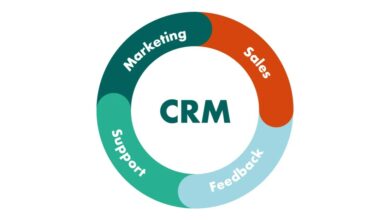
Customer Relationship Management (CRM) platforms like Salesforce and HubSpot allow B2B companies to track interactions, manage leads, and personalize communication. These systems centralize customer data, enabling sales teams to deliver targeted solutions.
- CRMs improve lead conversion rates by up to 300% (Nucleus Research).
- Integration with email, social media, and support systems enhances visibility.
- AI-powered insights predict customer behavior and recommend next steps.
E-Commerce and B2B Marketplaces
Just as consumers shop on Amazon, businesses now buy on B2B e-commerce platforms. Sites like Alibaba, ThomasNet, and Global Sources connect suppliers with buyers globally. These platforms offer product catalogs, instant quotes, and secure payment systems.
- B2B e-commerce sales are projected to reach $20.9 trillion by 2027 (Statista).
- Features include bulk pricing, custom catalogs, and procurement integration.
- Mobile accessibility and AI chatbots enhance user experience.
Automation and AI in B2B Marketing
Marketing in B2B has shifted from cold calls to intelligent automation. Tools like Marketo, Pardot, and HubSpot automate email campaigns, lead scoring, and content delivery based on user behavior.
- AI analyzes buyer intent signals from website visits, content downloads, and social engagement.
- Chatbots handle initial inquiries, freeing up human reps for complex discussions.
- Personalization increases conversion rates by delivering relevant content at the right time.
“The future of B2B is not just digital—it’s intelligent.” — McKinsey & Company
B2B Meaning in Marketing: Strategies That Work
Understanding the B2B meaning isn’t complete without exploring how businesses market to each other. B2B marketing is strategic, data-driven, and focused on building trust over time.
Content Marketing and Thought Leadership
B2B buyers are researchers. They consume whitepapers, case studies, webinars, and industry reports before making decisions. Content marketing positions a company as a trusted advisor, not just a vendor.
- Top-performing B2B brands publish 2-3x more content than competitors (Content Marketing Institute).
- Thought leadership builds credibility and influences decision-makers.
- SEO-optimized content drives organic traffic and lead generation.
Account-Based Marketing (ABM)
ABM is a strategic approach where marketing and sales teams collaborate to target high-value accounts with personalized campaigns. Instead of casting a wide net, ABM focuses on a few key prospects with tailored messaging.
- ABM can increase sales revenue by up to 208% (ITSMA).
- Uses data to identify decision-makers and their pain points.
- Combines email, ads, direct mail, and events for maximum impact.
Social Selling and LinkedIn Strategy
Social media isn’t just for B2C. LinkedIn has become the go-to platform for B2B professionals. Sales reps use it to build relationships, share insights, and engage with prospects.
b2b meaning – B2b meaning menjadi aspek penting yang dibahas di sini.
- 91% of B2B marketers use LinkedIn to distribute content (LinkedIn Marketing Solutions).
- Social selling increases lead conversion by 45% (Salesforce).
- Engagement with posts, comments, and direct messages builds trust over time.
“In B2B, trust is the currency. Content earns it.” — HubSpot
Challenges in the B2B Landscape
Despite its growth, the B2B meaning also encompasses significant challenges. Companies must navigate complexity, competition, and changing buyer expectations.
Long Sales Cycles and Decision Fatigue
One of the biggest hurdles in B2B is the extended sales cycle. With multiple stakeholders and approval layers, deals can stall for months. Decision fatigue sets in when prospects are overwhelmed with options and information.
- Solution: Streamline communication with clear value propositions and ROI calculators.
- Use customer testimonials and case studies to reduce perceived risk.
- Implement sales enablement tools to keep prospects engaged.
Intense Competition and Market Saturation
Many B2B markets are crowded. Whether it’s CRM software, cloud storage, or consulting services, differentiation is critical. Companies must articulate their unique value proposition (UVP) clearly.
- Solution: Focus on niche markets or vertical-specific solutions.
- Leverage customer success stories and industry certifications.
- Invest in innovation and continuous improvement.
Data Privacy and Security Concerns
B2B buyers are increasingly concerned about data security, especially when adopting SaaS platforms. A single breach can damage trust and lead to contract termination.
- Solution: Obtain certifications like ISO 27001, SOC 2, or GDPR compliance.
- Be transparent about data handling practices.
- Offer robust security features and regular audits.
“In B2B, a data breach isn’t just a technical failure—it’s a relationship breakdown.” — CIO Magazine
Future Trends Shaping B2B Meaning
The B2B meaning continues to evolve. Emerging technologies and shifting market dynamics are redefining how businesses interact, sell, and grow.
Rise of AI and Predictive Analytics
Artificial Intelligence is no longer a buzzword—it’s a B2B reality. AI powers chatbots, lead scoring, pricing optimization, and even contract analysis. Predictive analytics helps forecast demand, identify at-risk customers, and recommend next-best actions.
- AI-driven sales assistants can increase productivity by 30% (Gartner).
- Machine learning improves personalization at scale.
- AI-powered insights reduce churn and improve retention.
Sustainability and Ethical Sourcing
Modern B2B buyers prioritize sustainability. Companies are expected to demonstrate ethical sourcing, carbon footprint reduction, and social responsibility. This trend is especially strong in Europe and among younger decision-makers.
b2b meaning – B2b meaning menjadi aspek penting yang dibahas di sini.
- Green certifications and ESG reporting are becoming standard.
- Suppliers must comply with environmental and labor standards.
- Sustainable practices enhance brand reputation and customer loyalty.
Hybrid Buying Models and Self-Service Platforms
The future of B2B includes hybrid buying experiences—where customers can research, compare, and even purchase online without speaking to a sales rep. Self-service portals, demo videos, and interactive pricing tools empower buyers.
- Companies like Slack and Zoom have popularized the ‘freemium’ model in B2B.
- Buyers expect Amazon-like experiences: easy navigation, instant quotes, and fast onboarding.
- Sales teams shift from order-takers to consultants and problem-solvers.
“The B2B buyer of tomorrow wants autonomy, transparency, and speed.” — Gartner
What is the basic B2B meaning?
The basic B2B meaning refers to Business-to-Business transactions, where one company sells products or services to another company rather than to individual consumers. It’s a foundational model in global commerce, especially in industries like manufacturing, technology, and professional services.
How does B2B differ from B2C?
B2B differs from B2C in several ways: B2B involves longer sales cycles, multiple decision-makers, and a focus on ROI and logic, while B2C is typically faster, emotionally driven, and targets individual consumers. B2B relationships are also more relationship-intensive and contract-based.
What are common B2B business models?
Common B2B business models include wholesale and distribution, SaaS (Software as a Service), manufacturing and industrial supply, and professional services like consulting or marketing agencies. Each model serves different market needs and operates with distinct revenue structures.
b2b meaning – B2b meaning menjadi aspek penting yang dibahas di sini.
Why is content marketing important in B2B?
Content marketing is crucial in B2B because buyers conduct extensive research before purchasing. High-quality content like whitepapers, case studies, and webinars builds trust, establishes authority, and guides prospects through the decision-making process, ultimately driving conversions.
What are the future trends in B2B?
Future trends in B2B include the rise of AI and predictive analytics, increased focus on sustainability and ethical sourcing, and the growth of hybrid buying models with self-service platforms. These trends are reshaping how companies engage, sell, and retain business customers.
Understanding the B2B meaning goes far beyond a simple definition. It’s about recognizing a dynamic ecosystem where relationships, technology, and strategy converge. From its historical roots to cutting-edge AI applications, B2B is the engine of global commerce. As markets evolve, so too must the strategies companies use to connect, sell, and grow. Whether you’re a startup or an enterprise, mastering the nuances of B2B is essential for long-term success in today’s interconnected world.
b2b meaning – B2b meaning menjadi aspek penting yang dibahas di sini.
Further Reading: