Ever wondered how big companies sell to each other behind the scenes? Let’s dive into real b2b examples that shape industries, drive innovation, and fuel global economies—with clarity, depth, and a touch of storytelling.






B2B Examples: Understanding the Core of Business-to-Business

Business-to-business (B2B) refers to transactions between companies, rather than between a company and individual consumers (B2C). These relationships form the backbone of global commerce, enabling everything from raw material supply to complex software integrations. Unlike B2C, B2B sales cycles are longer, involve multiple stakeholders, and are driven by logic, ROI, and long-term value.
What Defines a B2B Transaction?
A B2B transaction occurs when one business provides products or services to another business. This can range from a manufacturer buying raw materials to a tech firm licensing software to an enterprise client. The key differentiator from B2C is the decision-making process: it’s often committee-based, data-driven, and focused on efficiency, scalability, and integration.
- Transactions are typically high-volume and high-value.
- Relationships are long-term and contract-based.
- Sales cycles involve procurement teams, technical evaluators, and C-suite executives.
“B2B is not just about selling—it’s about solving business problems at scale.” — Marc Benioff, CEO of Salesforce
Why B2B Examples Matter for Modern Businesses
Studying real-world b2b examples helps entrepreneurs, marketers, and executives understand effective strategies, customer pain points, and innovation pathways. These case studies reveal how companies build trust, demonstrate value, and create ecosystems that benefit all parties involved.
- They provide benchmarks for performance and strategy.
- They highlight the importance of relationship management.
- They showcase how technology and data drive B2B success.
For instance, examining how Intel supplies processors to Dell or how AWS powers Netflix’s streaming infrastructure offers insights into supply chain dynamics, pricing models, and partnership synergies. These b2b examples are not just transactions—they’re strategic alliances.
Top 7 Real-World B2B Examples That Transformed Industries
Let’s explore seven powerful b2b examples that illustrate innovation, scalability, and strategic collaboration across sectors. Each case reveals how businesses serve other businesses to create massive value.
1. Intel and Dell: Powering the PC Ecosystem
One of the most iconic b2b examples is the partnership between Intel and Dell. Intel manufactures processors, which Dell integrates into its desktops, laptops, and servers. This relationship is foundational to the personal computing industry.
- Intel provides cutting-edge chip technology (e.g., Core i7, Xeon).
- Dell leverages these components to build reliable, high-performance machines.
- The collaboration includes co-marketing campaigns like “Intel Inside.”
This b2b example shows how component suppliers and OEMs (Original Equipment Manufacturers) depend on each other. According to Intel’s official site, their partnerships with PC makers drive innovation in computing power, energy efficiency, and AI integration.
2. Salesforce and Enterprise Clients: Cloud CRM Revolution
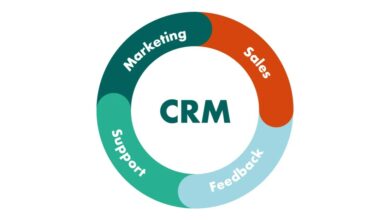
Salesforce is a pioneer in cloud-based Customer Relationship Management (CRM) software. Its entire business model is built on B2B sales, serving companies like Toyota, Unilever, and GE.
- Salesforce offers scalable CRM platforms via subscription (SaaS model).
- Enterprises use it to manage sales pipelines, customer service, and marketing automation.
- Integration with other enterprise tools (e.g., Slack, Tableau) enhances value.
This is a textbook example of how software-as-a-service (SaaS) has redefined B2B relationships. As noted on Salesforce’s customer stories page, Toyota reduced sales cycle times by 30% after implementing Salesforce CRM. This b2b example underscores the power of digital transformation in enterprise environments.
3. Amazon Web Services (AWS) and Netflix: Scaling the Cloud
Perhaps one of the most famous b2b examples is AWS providing cloud infrastructure to Netflix. When Netflix transitioned from DVD rentals to streaming, it needed a scalable, reliable backend—AWS delivered.
- Netflix uses AWS for video encoding, storage, and global content delivery.
- AWS handles millions of concurrent streams with minimal latency.
- The partnership allows Netflix to focus on content, not servers.
As detailed in AWS’s Netflix case study, this b2b relationship enabled Netflix to scale rapidly across 190+ countries. It’s a prime example of how infrastructure-as-a-service (IaaS) empowers digital-native companies.
4. Siemens and Manufacturing Clients: Industrial Automation
Siemens is a global leader in industrial automation and digitalization. It provides hardware, software, and services to manufacturers worldwide.
- Products include PLCs (Programmable Logic Controllers), SCADA systems, and MindSphere IoT platform.
- Customers use Siemens tech to optimize production lines and reduce downtime.
- The company offers end-to-end digital twin solutions for factories.
In a notable b2b example, Siemens partnered with Volkswagen to digitize its automotive plants. By implementing Siemens’ automation systems, VW improved production efficiency by 20%. This showcases how B2B tech drives Industry 4.0 transformation. Learn more at Siemens’ industrial solutions portal.
5. HubSpot and Mid-Market Companies: Inbound Marketing Platform
HubSpot provides an all-in-one marketing, sales, and service platform for businesses. Its B2B model targets SMEs and mid-market companies looking to grow through inbound strategies.
- Tools include email marketing, CRM, SEO, and analytics.
- Customers include companies like SurveyMonkey and ClassPass.
- HubSpot Academy offers free training, building trust and expertise.
This b2b example highlights the importance of education and community in B2B marketing. According to HubSpot’s customer success stories, ClassPass increased lead conversion by 45% using HubSpot’s automation tools. The platform’s freemium model lowers entry barriers, making it a smart B2B growth strategy.
6. McKinsey & Company and Fortune 500 Firms: Strategic Consulting
Management consulting is a classic B2B service. Firms like McKinsey & Company advise corporations on strategy, operations, and digital transformation.
- Services include market entry strategies, cost optimization, and M&A advisory.
- Clients are typically large enterprises or government bodies.
- Engagements are project-based with high fees and deep impact.
One well-known b2b example is McKinsey’s work with a major pharmaceutical company to restructure its R&D pipeline, resulting in a 15% increase in drug development efficiency. While specific case details are often confidential, McKinsey’s published insights reveal how data-driven consulting creates measurable business value.
7. Shopify and Enterprise Retailers: E-Commerce Infrastructure
While Shopify is known for small businesses, its Shopify Plus platform serves enterprise clients like Heinz, Gymshark, and Staples.
- Shopify Plus offers scalable, customizable e-commerce solutions.
- Enterprises benefit from API access, automation, and global payment support.
- The platform integrates with ERP, CRM, and logistics systems.
This b2b example shows how a platform can evolve from SMB-focused to enterprise-grade. According to Shopify Plus’s official page, Gymshark scaled to $1 billion in revenue using the platform’s robust infrastructure. It’s a testament to how B2B tech enables digital commerce at scale.
Key Characteristics of Successful B2B Examples
What do these b2b examples have in common? Despite operating in different industries, they share core characteristics that define successful B2B relationships.
Long-Term Relationship Building
Unlike B2C, where transactions can be one-off, B2B thrives on long-term partnerships. Trust, reliability, and consistent performance are critical.
- Contracts often span multiple years.
- Account managers maintain ongoing communication.
- Success is measured by customer retention and expansion (e.g., upselling).
For example, AWS doesn’t just sell cloud space—it assigns dedicated account teams to help clients optimize usage and reduce costs. This level of service strengthens client loyalty and reduces churn.
Value-Driven Pricing Models
B2B pricing is rarely fixed. Instead, it’s often tiered, usage-based, or outcome-based, reflecting the value delivered.
- SaaS platforms charge per user or feature tier.
- Cloud providers bill based on compute, storage, and bandwidth.
- Consulting firms may tie fees to performance metrics.
In the Salesforce b2b example, pricing scales with the number of users and modules (Sales Cloud, Service Cloud, etc.). This aligns cost with business growth, making it easier for clients to justify investment.
Complex Decision-Making Processes
B2B purchases involve multiple stakeholders: technical teams, finance, legal, and executives. Vendors must address each group’s concerns.
- Technical teams evaluate integration and security.
- Finance assesses ROI and TCO (Total Cost of Ownership).
- Executives focus on strategic alignment and scalability.
HubSpot, for instance, provides detailed ROI calculators and security compliance documentation to help buyers build internal consensus. This multi-layered approach is essential in high-stakes B2B sales.
How B2B Examples Drive Innovation and Market Growth
Beyond transactions, b2b examples illustrate how collaboration fuels innovation. When businesses serve other businesses, they co-create solutions that push industries forward.
Co-Development of Products and Services
Many B2B relationships evolve into co-creation partnerships. Vendors and clients work together to design new features or optimize processes.
- Siemens collaborates with manufacturers to refine automation software.
- Intel works with PC makers to optimize chip performance for specific use cases.
- Shopify partners with brands to develop custom checkout experiences.
This collaborative model reduces time-to-market and ensures solutions meet real-world needs. It’s a shift from vendor-client to strategic partner.
Enabling Digital Transformation
B2B tech providers are often the enablers of digital transformation. From cloud computing to AI, they equip businesses with tools to modernize.
- AWS and Microsoft Azure provide the infrastructure for digital services.
- Salesforce and HubSpot digitize customer engagement.
- McKinsey and Deloitte guide organizational change.
The Netflix-AWS b2b example is a perfect illustration: without scalable cloud infrastructure, Netflix’s global streaming model wouldn’t exist. B2B innovation thus becomes a catalyst for industry disruption.
Creating Ecosystems and Platforms
Leading B2B companies don’t just sell products—they build ecosystems. These platforms attract third-party developers, integrators, and complementary service providers.
- Salesforce’s AppExchange hosts thousands of integrations.
- Shopify’s partner network includes agencies, developers, and theme designers.
- AWS Marketplace offers software and services from independent vendors.
These ecosystems increase platform stickiness and create network effects. A company using Salesforce isn’t just buying CRM—it’s tapping into a vast ecosystem of tools and expertise.
B2B Examples Across Different Sectors
B2B is not limited to tech. It spans manufacturing, healthcare, finance, and more. Let’s explore sector-specific b2b examples.
Healthcare: Medtronic and Hospitals
Medtronic supplies medical devices like pacemakers and insulin pumps to hospitals and clinics. This is a high-stakes B2B relationship where reliability and compliance are paramount.
- Hospitals purchase devices through group purchasing organizations (GPOs).
- Medtronic provides training, maintenance, and data analytics.
- The company invests in R&D to improve patient outcomes.
According to Medtronic’s corporate site, its partnerships with healthcare providers help reduce hospital readmissions by 25% through remote monitoring. This b2b example shows how medical technology improves care delivery.
Finance: Bloomberg and Financial Institutions
Bloomberg LP provides financial data, analytics, and news to banks, hedge funds, and asset managers. Its Bloomberg Terminal is a staple on Wall Street.
- The terminal offers real-time market data, trading tools, and economic analysis.
- Subscriptions cost thousands per year, reflecting high value.
- Bloomberg also offers enterprise solutions for risk management.
This b2b example highlights how specialized data services can dominate niche markets. Despite competition from Reuters and Refinitiv, Bloomberg maintains a loyal client base due to its comprehensive platform and trusted brand.
Logistics: FedEx and E-Commerce Companies
FedEx provides shipping, tracking, and logistics solutions to e-commerce businesses. It’s a critical B2B partner for companies like Shopify merchants and Amazon sellers.
- Services include ground, express, and freight shipping.
- FedEx integrates with e-commerce platforms for automated label printing.
- The company offers warehousing and fulfillment services.
In a notable b2b example, FedEx partnered with Shopify to offer discounted shipping rates to its merchants. This collaboration helps small businesses compete with larger players. Learn more at FedEx’s business solutions page.
Challenges in B2B Examples and How to Overcome Them
Despite their success, B2B relationships face challenges. Understanding these hurdles is crucial for sustainable growth.
Long Sales Cycles and High Acquisition Costs
B2B sales can take months or even years to close. The cost of acquiring a customer (CAC) is often high due to extensive demos, negotiations, and legal reviews.
- Solution: Use content marketing and lead nurturing to build trust early.
- Solution: Offer free trials or pilot programs to reduce perceived risk.
- Solution: Leverage case studies and testimonials to accelerate decision-making.
HubSpot’s freemium model is a prime example of reducing friction in the sales cycle. By letting users experience value first, they increase conversion rates.
Integration and Technical Complexity
B2B products often need to integrate with existing systems (ERP, CRM, etc.). Poor integration can lead to failed implementations and lost clients.
- Solution: Provide robust APIs and developer documentation.
- Solution: Offer professional services for onboarding and customization.
- Solution: Partner with integration specialists (e.g., MuleSoft, Zapier).
Salesforce excels here with its extensive AppExchange and Trailhead learning platform, helping clients integrate and adopt the system smoothly.
Customer Retention and Churn Management
Even after closing a deal, B2B companies face churn if clients don’t see ongoing value.
- Solution: Implement customer success teams to ensure adoption.
- Solution: Use data analytics to predict and prevent churn.
- Solution: Offer continuous training and product updates.
AWS, for example, assigns Technical Account Managers (TAMs) to enterprise clients, helping them optimize cloud usage and avoid cost overruns—key factors in retention.
Future Trends Shaping B2B Examples
The B2B landscape is evolving rapidly. Emerging technologies and changing buyer expectations are redefining how businesses interact.
Rise of AI and Automation in B2B
Artificial intelligence is transforming B2B operations, from sales forecasting to customer support.
- AI-powered chatbots handle routine inquiries, freeing up human agents.
- Predictive analytics help identify upsell opportunities.
- Automation streamlines procurement and invoicing processes.
In the future, we may see AI-driven contract negotiation or self-optimizing cloud environments. These advancements will make b2b examples even more efficient and data-centric.
Subscription and Usage-Based Models
The shift from one-time purchases to recurring revenue models continues to accelerate.
- SaaS, IaaS, and PaaS dominate B2B tech.
- Even traditional industries (e.g., manufacturing) are adopting “product-as-a-service” models.
- Usage-based pricing aligns cost with value, increasing customer satisfaction.
This trend is evident in AWS’s pay-as-you-go model and Salesforce’s tiered subscriptions. It reflects a broader move toward outcome-based business relationships.
Increased Focus on Customer Experience
B2B buyers now expect B2C-like experiences: intuitive interfaces, fast support, and personalized interactions.
- Companies invest in UX design and omnichannel support.
- Self-service portals and knowledge bases reduce dependency on reps.
- Personalization engines recommend relevant products or content.
Shopify Plus, for instance, offers a sleek admin interface and 24/7 support, making enterprise e-commerce management seamless. This focus on experience is becoming a competitive advantage.
What are b2b examples?
B2B examples are real-world cases where one business provides products or services to another business. Common examples include Intel selling chips to Dell, Salesforce offering CRM software to enterprises, and AWS providing cloud infrastructure to Netflix.
Why are b2b examples important for marketers?
B2B examples help marketers understand customer needs, sales cycles, and value propositions. They provide insights into effective strategies, messaging, and relationship management in complex, multi-stakeholder environments.
How do b2b examples differ from b2c?
B2B examples involve longer sales cycles, higher transaction values, and rational decision-making based on ROI. In contrast, B2C focuses on emotional appeal, shorter cycles, and individual consumers.
What industries rely heavily on b2b examples?
Industries like technology, manufacturing, healthcare, logistics, and professional services rely heavily on B2B relationships. These sectors depend on supply chains, software platforms, and specialized services to operate.
Can small businesses learn from b2b examples?
Absolutely. Small businesses can adopt B2B strategies like relationship building, value-based pricing, and customer success management to grow sustainably and compete effectively.
These b2b examples reveal a powerful truth: behind every great product or service is a network of business partnerships that make it possible. From tech giants to consulting firms, B2B relationships drive innovation, efficiency, and global growth. By studying these cases, businesses can learn to build stronger, more strategic, and more valuable connections. The future of commerce isn’t just about selling—it’s about solving problems together, at scale.
Further Reading: